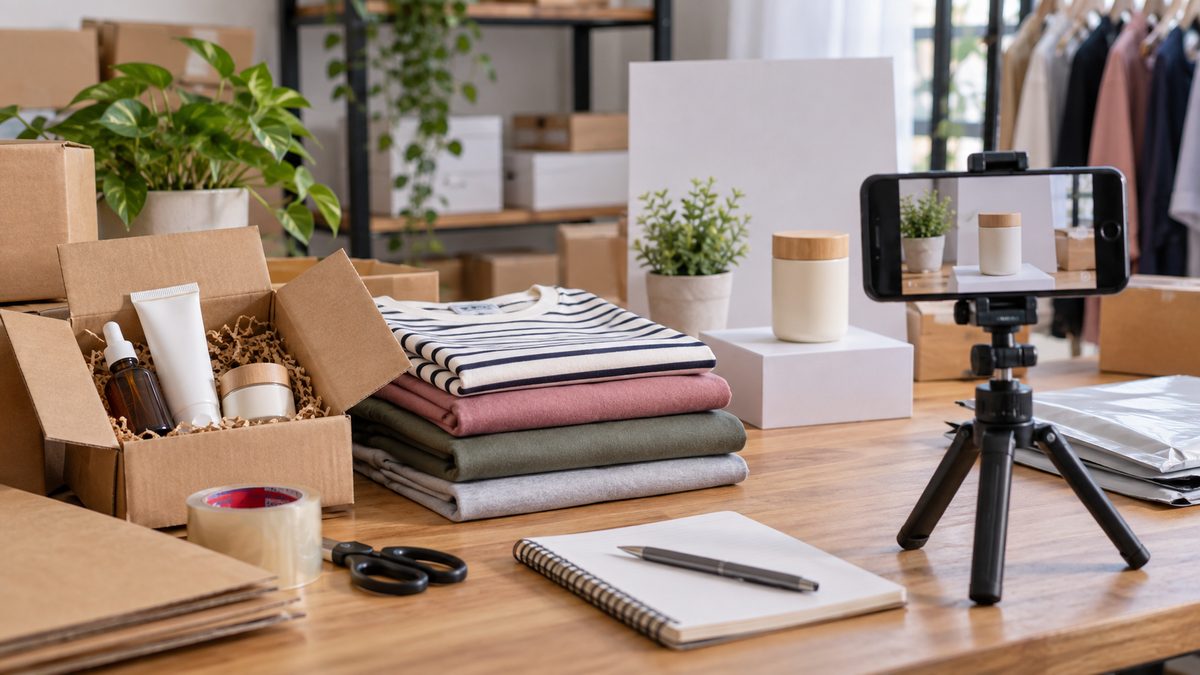
Ask any small business owner in Malaysia where they plan to sell online, and you’ll often hear the same debate. Shopee vs Lazada vs TikTok Shop. All three are big names here, and each one works a little differently from the others.
No platform is the best for everyone. What works for a kuih seller in Ipoh may not work for a phone accessory shop in Johor Bahru. It really comes down to what you sell, who buys it and how much time you can put in each day.
Three Platforms, Three Ways of Selling
Shopee is a marketplace. Most buyers arrive with something in mind, type it into the search bar, compare a few sellers and then buy. It’s known for its frequent sales campaigns and a huge range of everyday items.
Lazada is also a marketplace, and on the surface it feels quite similar. You’ll find search, categories and campaigns there too. The difference many shoppers notice is its section for official brand stores, which a lot of people link with trust and quality.
TikTok Shop sits inside a short video app, so the buying habit is different. People usually aren’t searching for anything. They’re scrolling, they see a video or a live stream, they like what they see and they buy right there. This is often called social commerce, which means selling through social media content.
What Your Days Will Look Like
Opening a seller account on any of the three is done online. You’ll usually need personal or business details and a bank account. The exact steps and documents can change, so read each platform’s latest seller guide before you sign up.
Once you’re running, daily work on Shopee and Lazada is fairly routine. You upload products with clear photos, answer buyer chats quickly, pack orders and ship them on time. You’ll also spend some time joining campaigns and setting up vouchers.
TikTok Shop asks for all of that plus one more thing: content. You’ll need to film short videos, plan live sessions or work with content creators who promote your items. When a video does well, sales can come quickly. But it takes steady creative effort, and not every seller enjoys being on camera.
Then there’s money. Each platform charges sellers in its own way, and there may be commission, payment fees or charges for joining certain programmes. These change from time to time. Check the current seller fees on each platform and work out what’s left for you on every item you sell.
Think About Your Buyers First
Your customers matter more than any feature list. So picture where they spend their time.
Shoppers on Shopee and Lazada usually know what they want. They search by product name, look at reviews and compare delivery options. Price and trust play a big part in their choice.
TikTok Shop users are often just passing time, maybe on the LRT home or during a lunch break at the mamak. They weren’t planning to buy. A good video can make them want something they’d never thought about before, which is why items that are fun to watch and quick to explain do well there.
Before you go further, answer a few honest questions:
- Do my customers search for my product by name?
- Do they need to see it in action before they’ll buy?
- Are they younger and active on short video apps?
- Do they care more about the lowest price or about brand trust?
Your answers will usually point you towards one side.
Which Products Fit Where
Things people buy again and again, and search for directly, tend to sell well on the marketplaces. Household items, stationery, phone cases and simple kitchen tools are good examples. Buyers line these up side by side, so sharp photos, fair prices and good reviews make a real difference. If you’re an established brand, or you’d like to look like one, a brand store on a marketplace can help too.
Video selling suits products with a visible “wow” moment. Beauty items, fashion, snacks, handy gadgets and home products that fix an everyday problem all fit. If you can show a clear before and after in a few seconds, TikTok Shop is worth a try.
Some products need more care, like specialist tools or anything with safety concerns. Give clear and honest information, follow local safety regulations and guidelines, and check each platform’s list of restricted items before you post anything.
Weighing Them Up
Shopee gives you a wide pool of buyers and plenty of campaigns, and most Malaysians already know how to use it. The downside is that many sellers compete on price, so it can be hard to stand out.
Lazada is strong for brands that want to look official and trustworthy. It can be just as crowded, though, and brand store options may come with extra requirements.
TikTok Shop can put your product in front of new people very fast. But it depends on regular videos or live sessions, and your results can rise and fall from week to week.
A Few Common Questions
Which platform is easiest for a brand new seller?
That depends on your product more than the platform. If buyers search for your item by name, Shopee or Lazada may be the easier start. If your product looks great on video and you don’t mind making content, TikTok Shop could suit you better.
Do I need a registered business to start selling?
Rules differ between platforms and can change over time, so check each one’s current seller guide. If you’re still unsure, speak to a business adviser or an accountant before you register.
Selling on More Than One
Plenty of sellers don’t stick to a single platform forever. They start with one, learn how it works, then add another. It spreads your reach and means you’re not relying on one channel alone.
It also doubles the work. You’ll need to keep stock numbers right across platforms, reply to chats in different places and follow different sets of rules. So get your first shop running well and collecting good reviews before you open a second one. A simple shared stock sheet can stop you from selling something you no longer have.
There isn’t a winner that fits every shop. Pick the platform that matches your product and your customers, give it a fair try for a while, and let your own sales tell you when it’s time to add the next one.