
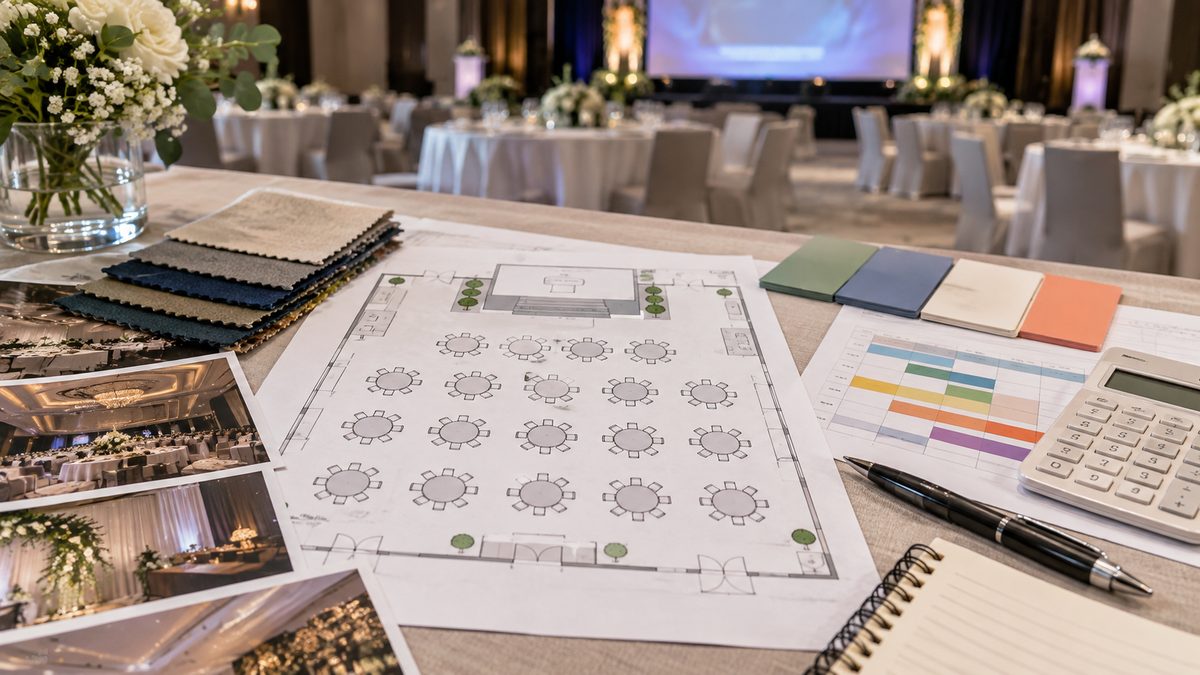
So your boss has asked you to plan a corporate event. Maybe it’s the annual dinner, a product launch or a client appreciation night. You’re probably a little excited and a little worried, and that’s normal. There are many small details, and they all need to come together on one day.
The trick is to stop thinking of it as one big job. When you take it step by step, each part becomes small enough to handle. This is written for office managers, HR teams and small-business owners in Malaysia, and it works just as well for a small team makan session as for a much bigger company function.
Start With Why
Before you call a single venue, ask yourself why the company is holding this event. Is it to thank staff after a tough year? To launch a new product? To build better ties with clients, or to share company news with everyone at once?
Write the answer down in one or two sentences and get your manager to agree with it. It sounds like a small thing, but it’ll save you a lot of back and forth later. When you’re stuck choosing between two venues or two caterers, you can look at that sentence and pick the one that fits it better.
Talk About Money Early
Money is usually the biggest limit. Sit down with management and agree on a total budget before you speak to any vendor. If you collect quotes first, it’s easy to fall in love with something the company can’t pay for.
Once you have the total, split it into parts. Most events need money for:
- Venue and food
- Sound, screens and lighting
- Decoration, banners and printing
- Emcee, speakers or entertainment
- Door gifts and lucky draw prizes
- Photography or video
Then keep a little aside for surprises. Something always comes up, like extra guests or a microphone that stops working on the day. With a buffer, you won’t have to go back to your boss asking for more.
Track every cost in a simple spreadsheet. Note the quoted amount, the final amount and whether it’s been paid. It makes reporting much less painful.
Work Backwards From the Big Day
A timeline stops the last week from turning into chaos. Put the event date at the end and work backwards, giving each task its own deadline.
Several months ahead, confirm the goal, budget, date and a rough guest count, and start looking at venues. A few months out, book the venue and your main vendors, then send a save-the-date. About a month before, send the formal invitations, lock in the programme and order anything that needs printing.
Two weeks before, collect final numbers, plan the seating and share the run-down with every vendor. In the last week, call everyone to confirm again and prepare name tags, signs and a contact list. On the day itself, arrive early and brief your team before guests walk in.
One more thing about the date. Check public holidays, school holidays and festive seasons first. Planning a big dinner right in the middle of balik kampung season is asking for trouble.
Finding a Venue That Works
The venue sets the mood for everything else, so don’t rush it. Bring the same questions to every place you visit so you can compare them fairly:
- Can it fit our guests comfortably, not just barely?
- Is it easy to reach by car and public transport, with enough parking?
- What sound and screen equipment is included?
- Can they serve halal food and handle other dietary needs?
- What time can we set up, and when must we leave?
- What’s the cancellation policy?
Visit in person if you can. Photos online can look very different from the real hall. And get every agreement in writing before you pay a deposit.
Working With Vendors
Most corporate events need a few outside helpers. You might have a caterer, a decorator, a sound and lighting team, a photographer and an emcee all working on the same night.
Get more than one quote for each, and compare what’s included, not only the price. A cheaper quote that leaves out setup or transport isn’t really cheaper. Ask to see photos or videos of their past work, and if you can, talk to someone who has used them before.
Your agreement with each vendor should spell out the services, the timing, when payment is due and what happens if plans change. Then give all of them the same run-down, with one contact person for the day. When everyone works from one schedule, there’s far less confusion.
The Programme and the Guest Experience
The programme is simply the order of things on the day. A common flow is registration, a welcome speech, the main activity, the meal, some entertainment and a short closing message. Keep speeches short. Nobody has ever complained that the CEO’s speech ended too early.
Now walk through the event as if you were a guest. Is registration quick, or will people queue in the heat? Are there clear signs to the hall and the toilets? Is there somewhere to leave bags? Small touches like these make people feel looked after.
Don’t forget safety. Know where the emergency exits and the first aid kit are, and follow the venue’s rules and local safety guidelines.
The Last Few Days, and the Day After
In the final days, a checklist is your best friend. Go through the guest list and name tags, the printed run-down for your team, the vendor contact list, banners and backdrop, door gifts and lucky draw prizes. Throw in some extension cords, tape and spare batteries for the microphones too. They’re easy to forget and you’ll be glad to have them.
Once the last guest leaves, you’re almost done. Send thank-you messages to the speakers, vendors and anyone who helped. Ask your team and a few guests what they thought. Then write down what went well and what didn’t, while it’s still fresh.
Those notes are worth more than they seem. Next year, when the same request lands on your desk, you won’t be starting from zero. You’ll have a plan that already worked once, plus a short list of things to fix.


