
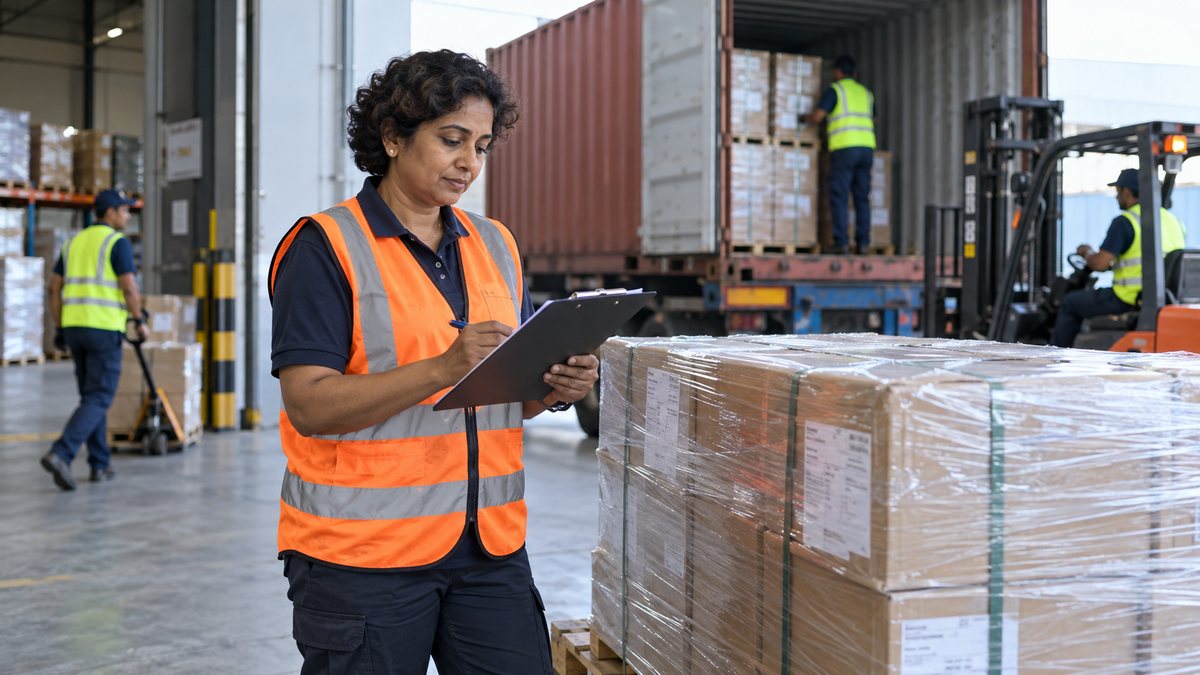
Maybe you’ve found a good supplier overseas and you’re ready to bring in your first shipment. The price looks right and the samples look great. Then the questions start. How does the cargo actually get here? Who handles customs? What papers do you need? This is where a freight forwarding company in Malaysia can take a lot of stress off your plate.
A freight forwarder doesn’t own the ships or planes. Think of them as the organiser who plans the whole trip for your goods, books the space, prepares the paperwork and keeps everything moving until the cargo reaches you.
What Happens When You Import Goods
Importing is a chain of steps, and each one has to go right. Your supplier packs the goods. Someone picks them up and brings them to a port or airport. The cargo is loaded, shipped and unloaded in Malaysia. It then has to be cleared by customs before it can be delivered to your shop, office or warehouse.
At every stage there are documents, fees and deadlines. Miss one and your shipment can sit at the port, sometimes collecting storage charges while you wait. For a first-time importer, it’s easy to get lost.
What a Freight Forwarder Handles
A good forwarder looks after most of this chain for you. The exact services differ from company to company, but these are the usual ones.
Choosing the right way to ship
Sea freight is usually the choice for large or heavy shipments that aren’t urgent. Air freight is faster and suits smaller, valuable or time-sensitive goods. Some forwarders also offer a mix of both. Your forwarder can explain which option fits your cargo, your budget and your timeline.
Booking and coordinating
The forwarder books space with shipping lines or airlines and arranges pickup from your supplier. They then track the cargo along the way. If a vessel is delayed or a flight is rescheduled, they’re the ones following up.
Paperwork
Shipping involves documents such as the commercial invoice, packing list, bill of lading or airway bill, and sometimes permits or certificates depending on the product. A forwarder helps you understand which documents you need and checks that they match. Small mistakes, like a wrong product description or a mismatched quantity, are a common cause of delays.
Customs clearance
Goods coming into Malaysia need to be declared and cleared, and duties or taxes may apply depending on what you import. Many forwarders provide customs brokerage, or work closely with licensed customs agents, to prepare the declaration and handle the process with the authorities. Rules can change, so always ask your forwarder or check with the relevant government agency for the latest requirements for your product.
Storage and local delivery
Once your cargo is cleared, it still has to reach you. Many forwarders offer warehousing and local transport, so your goods can be stored for a while or delivered straight to your premises.
How Long Does It Take?
This is usually the first thing new importers ask, and the honest answer is that it depends. The distance from your supplier, the shipping method, how often vessels or flights run on that route, and how quickly customs clearance goes all play a part.
Air freight is generally measured in days, while sea freight usually takes weeks once you add the time for loading, sailing and unloading. Public holidays at either end, bad weather and busy ports can add more time.
Ask your forwarder for a realistic timeline for your specific route, not just the sailing time. Then build in some extra days, especially if you’re planning a product launch or a sale around the arrival date.
Terms You’ll Hear Often
A few words come up again and again when you start importing. FCL means full container load, where you use a whole container. LCL means less than container load, where your goods share a container with other shippers. That’s common for smaller first orders.
You’ll also hear about Incoterms. These are standard trade terms that say who pays for what and who is responsible at each point of the trip, you or your supplier. Agree on these clearly with your supplier before you place the order, and share them with your forwarder.
Questions to Ask Before You Choose
Not every forwarder is the right fit for every business. Before you commit, it helps to ask:
- Do you regularly handle shipments from the country I’m buying from?
- Do you offer sea freight, air freight, or both?
- Can you handle customs clearance, or do I need a separate agent?
- What’s included in your quotation, and what charges might come later?
- How will you update me on where my shipment is?
- Do you offer warehousing or delivery to my location?
Pay attention to how clearly they answer. A forwarder who explains things patiently to a first-time importer is usually a good sign.
Mistakes First-Time Importers Make
The most common one is comparing quotes on price alone. Two quotations can look very different because one includes customs clearance, port charges and delivery while the other doesn’t. Always compare what’s actually covered.
Another mistake is leaving everything to the last minute. Book early, especially before festive seasons such as Chinese New Year or Hari Raya, when many factories close and shipping space gets tight.
Some importers also forget to check whether their product needs a special permit or approval before shipping. Ask about this before your supplier sends anything, not after the goods arrive.
Choosing the right supplier matters just as much as choosing the right forwarder. Our guide on how to choose a reliable supplier covers what to check before you place that first order.
Getting Started
For your first shipment, keep things simple. Start with a small order, ask lots of questions and keep copies of every document. Once you’ve been through the process once, the next shipment feels much easier.
If you’d like a partner to guide you through sea freight, air freight, customs brokerage and warehousing, you can speak to iFreight, a freight forwarding company in Malaysia that handles shipments between Asia and other parts of the world. Share your product details, supplier location and timeline, and ask them to walk you through each step before the cargo moves.


