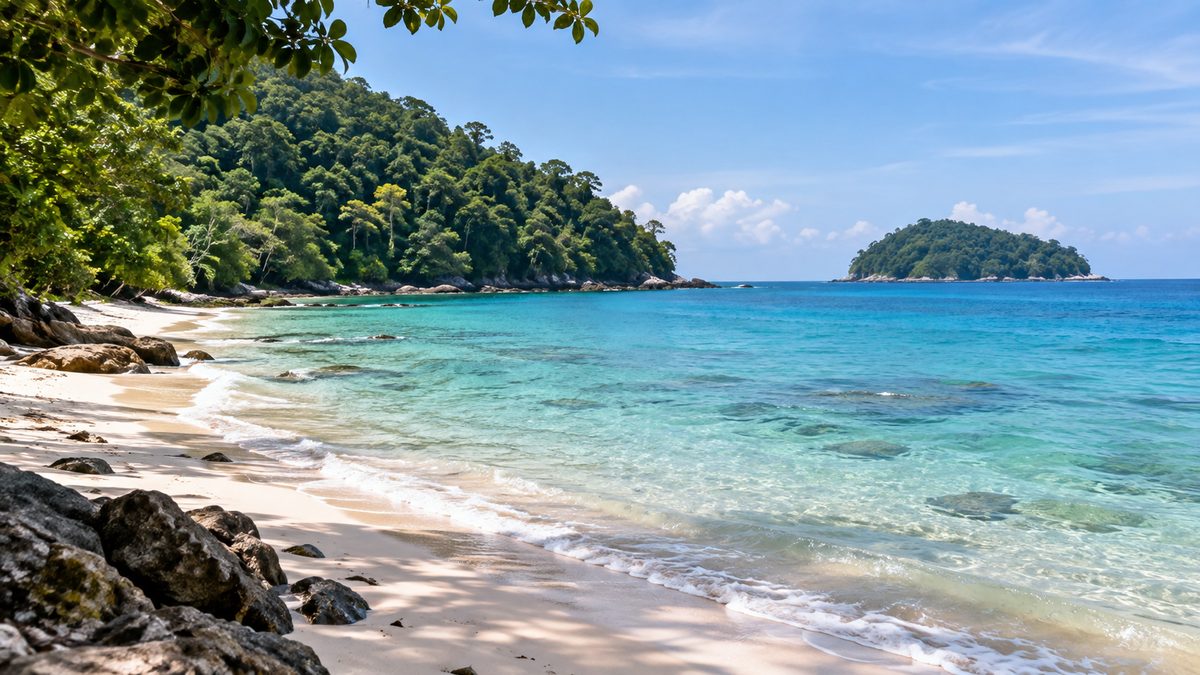
Most of us have done Cameron Highlands, Langkawi or a quick trip up Genting. They’re lovely, but they’re also busy. If you want rainforest, clear water and cool air without the crowds, Malaysia has plenty of quieter Malaysia nature destinations that don’t get nearly enough attention.
Some of these places are easy to reach. Others take real effort. Either way, check the latest visitor information before you go, because access, permits and opening times can change.
Parks Where the Forest Is Still Wild
Endau-Rompin National Park sits on the border of Johor and Pahang. It’s thick rainforest with clear rivers, waterfalls and jungle trails, so it’s ideal if you enjoy hiking. You’ll usually need to sort out permits and a guide through the park authorities or a licensed operator first.
Royal Belum State Park in northern Perak is part of a huge forest area around Temenggor Lake. It’s known for its wildlife, especially birds. Most visitors explore by boat and sleep on houseboats or in simple lodges. A permit is needed here too, so plan early.
Over in Sarawak, Bako National Park has beaches, cliffs and walking trails. It’s also one of the best-known places to spot proboscis monkeys in the wild. The only way in is by boat, which makes the whole trip feel like a small adventure.
Islands That Stay Quiet
Pulau Kapas, off the coast of Terengganu, is small, with clear water and calm beaches. There are no big resorts, so days are slow and simple. It’s a good spot for snorkelling or just reading under a tree.
Pulau Lang Tengah is also in Terengganu and is known for clear sea and coral reefs. Couples and small groups like it for the privacy. If you live down south, Pulau Sibu off Johor is a closer choice, with sandy beaches and simple resorts.
One thing to keep in mind: east coast islands are affected by the monsoon season. Many resorts and boat services close for part of the year, so always check before you plan anything.
Highlands Beyond the Usual
Bukit Larut, also called Maxwell Hill, near Taiping in Perak, is an old hill station with a calm, old-world feel. Think forest views and colonial-era bungalows. Private cars generally aren’t allowed up, so you’ll go by official vehicle or on foot.
Cameron Highlands isn’t exactly hidden, but you can still find quiet trails and tea estates around Kea Farm and Brinchang if you head out early in the morning, before the tour buses arrive.
In Sabah, Kundasang sits near the foot of Mount Kinabalu. The weather is cool, and there are vegetable farms, a dairy farm and wide mountain views. Get up early for the sunrise. The misty mornings are something else.
The Kelabit Highlands in Sarawak are remote and very peaceful, with rice fields, longhouse communities and forest trails. It’s best for travellers who are comfortable with simple living and want to learn about local culture.
Where the Water Is
Tasik Kenyir in Terengganu is a big man-made lake surrounded by forest. You can take a boat out to waterfalls and spend the night on a houseboat. Danum Valley in Sabah is a protected rainforest with tall trees and rich wildlife. It’s a special place for serious nature lovers, and trips usually have to be arranged in advance.
Closer to home, almost every state has its own waterfalls that make easy day trips. Just be careful. After rain, water levels can rise very quickly, and a calm pool can turn dangerous in minutes.
Choosing the Right Gem for You
Not every hidden spot suits every traveller. If you’re new to the outdoors, start with places that have clear trails, simple lodges and boat services, like Kundasang or a quiet island outside the monsoon months. You’ll get the fresh air and views without too much stress.
If you’re more experienced and don’t mind basic facilities, the deeper forests and remote highlands can be very rewarding. Places like Danum Valley or the Kelabit Highlands ask more of you, but they also give you a kind of silence that’s hard to find anywhere else.
Travelling with kids? Keep it short and easy. A waterfall picnic, a boat ride on a lake or a gentle walk is often more fun for them than a long hike. For older parents, check how much walking is involved and whether there are steep steps or rough paths.
Getting Ready for the Trip
Remote places need more planning than a weekend at a resort. Start by finding out how to get there, what permits you need and what facilities are available. Some parks have only basic toilets and no shops at all.
Look at the season, because rain affects boat trips, trails and island access. Book guides and permits early. Many parks won’t let you in without them.
Your packing list for a nature trip should include:
- Good walking shoes and rain gear
- Insect repellent and sunscreen
- A refillable water bottle
- A small first aid kit
Phone signal can be weak or missing in the forest and on small islands. Download offline maps and save important contacts before you leave. Tell family or friends your route and when you expect to be back.
If you have a health condition, talk to a qualified doctor before you sign up for long hikes or trips to remote areas. They’ll know what’s safe for you.
Keeping These Places Special
Hidden gems only stay beautiful if visitors look after them. Take all your rubbish home, even the small bits like sweet wrappers. Stick to marked trails so you don’t damage plants or get lost. Don’t feed wild animals, because it harms them and changes the way they behave.
Local communities live in many of these areas, so ask before taking photos of people and follow local customs. Listen to your guides, since they know the land and its risks far better than any app. Where you can, stay at local homestays and buy from local sellers. It helps the people who live there, and it gives them a reason to keep protecting the forest, the reef or the river you came to see. Treat each place gently, and it’ll still be there, just as quiet, when you want to go back.