
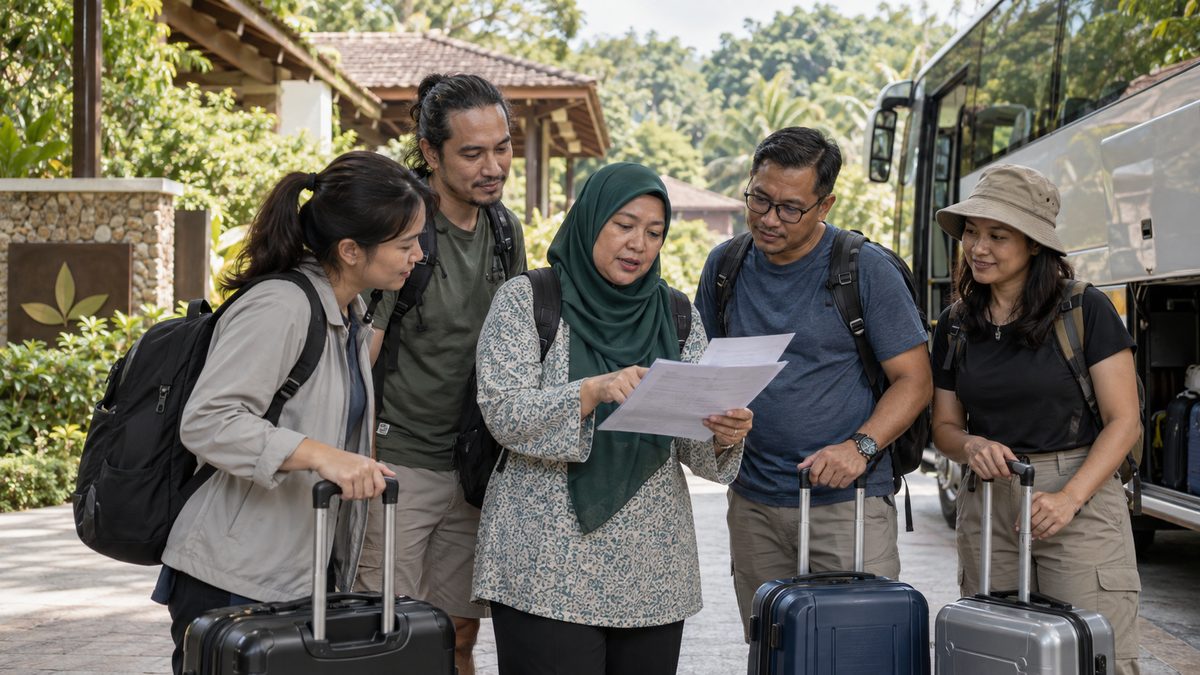
A company trip is one of the nicest ways to thank your team. People get to relax, laugh together and see each other outside the office. But good company trip planning takes more work than most people expect. Without a clear plan, the costs creep up and the trip can end up feeling messy.
If you run a small business or look after an office, you’ve probably been handed this job at some point. So let’s break it down into simple steps, from money to destination to the small details that are easy to forget.
Decide What the Trip Is For
Before you look at a single hotel, ask one question: why are we going?
Maybe you want to reward staff after a busy year. Maybe the team has grown and people barely know each other. Or maybe everyone just needs a rest. Talk to management and settle on one or two main goals. If teamwork is the focus, you’ll need group activities. If rest is the focus, give people more free time. Every other choice becomes easier once this is clear.
Work Out the Budget Early
The budget decides where you can go, how long you stay and what you do there. Get it sorted from the start.
Write down every cost you can think of:
- Transport, whether it’s buses, flights or petrol
- Rooms and meals
- Activities, entrance fees and any facilitators or guides
- Insurance
- Extras like T-shirts, banners or small gifts
- A bit set aside for surprises
Get quotations from a few suppliers so you can compare. Also decide early if the company is paying for everything or if staff will share some costs. Tell everyone clearly. Nobody likes finding out about a charge after they’ve already said yes.
Choosing Where to Go
Pick a place that fits your goals, your budget and your people. Also think about how long the trip should be. For many teams, two days and one night is enough to have fun without taking too much time away from work or family. Longer trips need more planning and more money. A team with lots of young parents might prefer somewhere close to home for a shorter stay. A younger team may be keen on something more adventurous.
Malaysia gives you plenty of options. There are beaches like Port Dickson, Langkawi or the east coast islands. You could head to the cool air of Cameron Highlands, Genting Highlands or Fraser’s Hill. Melaka, Penang and Ipoh are great for food and heritage. And there are quieter retreats near rivers, forests and campsites.
When you compare places, think about how easy it is for everyone to get there. Check that the rooms and meeting spaces suit your group. Make sure it’s safe and comfortable for older staff and anyone with special needs. If your team needs halal food or prayer facilities, confirm they’re available. Also look at what the weather is usually like at that time of year.
Let the Team Have a Say
People enjoy a trip more when they feel included. Before you lock anything in, send out a short online form or a quick poll in the team chat.
Ask what kind of place they’d like, what activities sound fun and which dates work. It’s also the right time to collect dietary needs, allergies and any health or mobility concerns. You won’t make everyone happy, but asking shows you care. It also stops you from booking something half the office quietly dreads.
Activities That People Actually Enjoy
This is the part everyone remembers, so give it some thought. Aim for a mix of group time and free time.
A team-building session run by a trained facilitator can work well. So can a group dinner or barbecue, a cooking class, a light nature walk or a friendly game of futsal. If a short talk or workshop fits your goals, keep it short.
Choose things most people can join, whatever their fitness level. Don’t fill every hour, because people need time to rest and chat. Anything risky should be optional and run by licensed operators. And please, keep the speeches brief. The trip should feel like a break, not another day at work.
The Practical Details
Logistics are the boring bits that make or break a trip. Form a small committee and give each person one area to look after, like transport, meals or activities. It spreads the work and cuts down on mistakes. Pick one person as the main trip leader too, so everyone knows who to call when something changes. On the day itself, that person should carry a printed copy of the schedule and all the booking details, just in case phones die or signal drops.
Before the trip, run through this checklist:
- Book transport early and confirm pick-up points and times.
- Plan room sharing, and ask staff for preferences where you can.
- Send dietary needs to the hotel or caterer well in advance.
- Share a day-by-day schedule and a contact list with everyone.
- Check that staff are covered by insurance for travel and activities.
- Send a short packing list before the trip.
Safety First
Plan for problems before they happen. Bring a first aid kit and find out where the nearest clinic or hospital is. Collect an emergency contact for every staff member. Keep an eye on the weather forecast and have a backup plan for rainy days. Follow local safety rules for all activities, and set a meeting point in case anyone gets lost.
A Couple of Common Questions
How early should we start planning?
Several months ahead is best, especially if you’re travelling during school or public holidays. You’ll get more choice and more time to compare quotes.
Should the trip be compulsory?
Many companies keep it optional. Some staff have family, health or personal reasons for not joining, and a relaxed, welcoming approach usually works better than pressure. If your group is large or you’re going overseas, a travel agent or event planner can also take a lot of the load off you.
After Everyone’s Home
Once the trip is over, send a short survey. Ask what people enjoyed, what they didn’t and what they’d change next time. Keep a simple file with your suppliers, costs and lessons learned. When the next trip comes around, and it will, you won’t be starting from zero.


