
Stand near a factory boiler or oven and you’ll feel the heat from a few steps away. Most of that heat simply escapes into the air. Waste heat recovery is a way to catch some of it and put it to use, instead of paying to create it all over again.
For Malaysian manufacturers, fuel and electricity are big running costs. So it’s worth knowing how heat recovery works, who it suits and how to tell if it makes sense for your site.
Where Waste Heat Comes From
Waste heat is heat made by a process that doesn’t get used for anything. It leaves the building through chimneys, exhaust pipes, cooling water and hot surfaces.
Look around your plant and you’ll probably find several sources. Boilers, furnaces and kilns push out hot exhaust gas. Ovens and dryers release hot air. Air compressors get surprisingly warm, and so do generators, engines and refrigeration systems. Even hot products left to cool on the floor are losing heat.
You paid for the fuel or electricity that made all of it. When it drifts away, part of that money goes with it.
How It Works
The idea is simple. You move heat from where it isn’t needed to where it is.
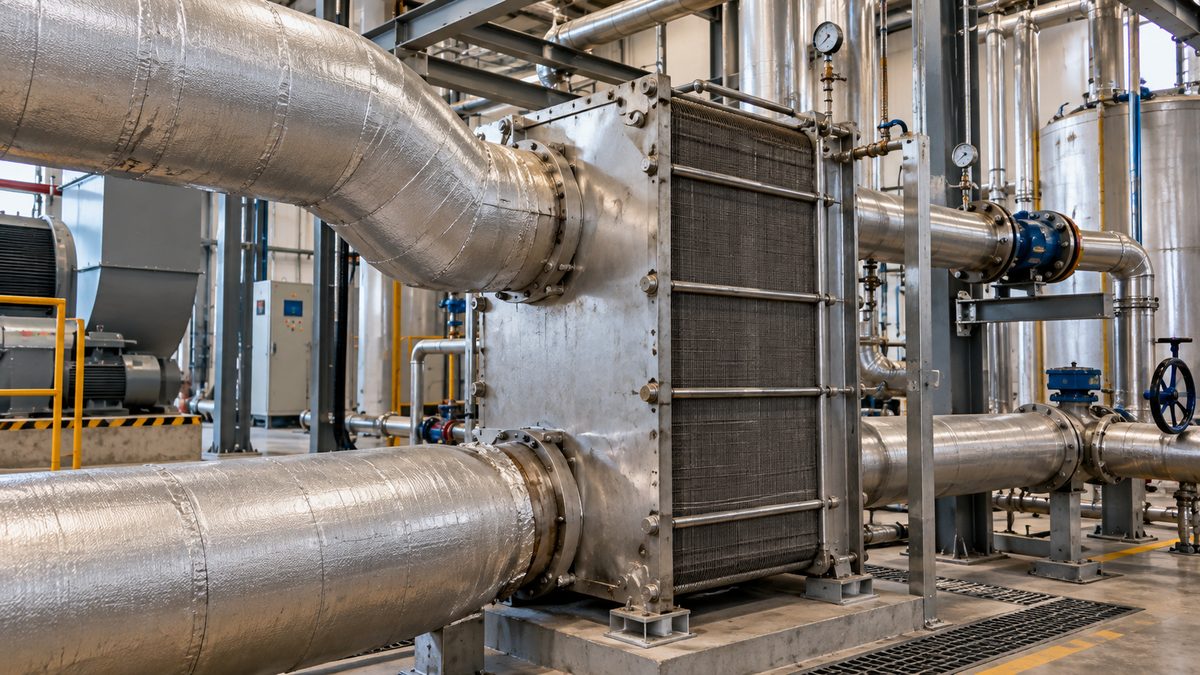
The main tool is a heat exchanger. It lets heat pass from one fluid, like hot exhaust gas, into another, like water or air, without the two mixing.
What you do with that heat depends on your plant. A common use is pre-heating boiler water with the boiler’s own exhaust, so it needs less fuel to make steam. Hot gases can also warm the air going into a furnace or burner, which helps it burn more efficiently.
Heat from compressors or cooling systems can warm water for washing, cleaning or processing. Warm air from one process can help dry materials in another. Larger plants with very hot waste heat can even use special systems to make electricity. Some chillers, called absorption chillers, can use heat instead of electricity to produce cooling.
Industries That Tend to Benefit
Heat recovery works best where there’s a large, steady supply of heat. In Malaysia, that often includes:
- Food and beverage plants with boilers, cookers, ovens and pasteurisers
- Rubber and latex factories, which use heat for curing and drying
- Palm oil mills and refineries running steam and boilers
- Chemical and plastics plants with heated reactors and moulding machines
- Metal, glass, cement, ceramics and brick works with furnaces and kilns
- Textile factories and laundries with dryers and lots of hot water
Smaller sites shouldn’t rule themselves out. A workshop with large air compressors may be able to use that heat for hot water. Sites with big engines or generators often have hot exhaust and cooling water to work with too.
What You Could Gain
The obvious gain is lower energy bills, because you’re buying less fuel or electricity for heating. Your processes get more out of the same energy input. Using less fuel also means lower carbon emissions, which helps if your business has sustainability goals. More and more customers and partners prefer suppliers who manage energy responsibly.
There’s a comfort side too. Capturing heat can make some work areas cooler, and in our hot weather, your workers will notice.
What Can Get in the Way
Heat recovery isn’t always simple. The equipment, design and installation all cost money upfront. Heat exchangers and pipes need space near the heat source, and not every plant has room to spare.
Distance matters. If the heat is at one end of the site and the need is at the other, a lot of the benefit is lost along the way. Timing matters as well. If your oven runs at night but you need hot water in the morning, you may need some kind of storage.
Dirty exhaust is another issue. Dust, oil or chemicals in the gas can clog or corrode the equipment, which means more cleaning and maintenance. And connecting new equipment may need a short production shutdown, so plan for that.
None of these problems means you should give up on the idea. They just mean the design has to fit your site. A system that looks great on paper for one factory can be a poor match for the factory next door, because the heat, the timing and the layout are all different.
Deciding If It’s Worth It for You
Start with three questions. Do you have a heat source that runs steadily for long hours? Is that heat hot enough to be useful? Is there a process nearby that needs heat at the same time? If you can say yes to most of these, it’s worth looking into further.
After that, think about how much you spend on fuel or electricity for heating now, whether there’s space for new equipment, and how long you plan to stay at your current site.
If it still looks promising, take these steps:
- Measure first. Record the temperatures and running hours of your main heat sources.
- Get a professional study. A qualified energy engineer or consultant can assess the potential and estimate the payback period, which is how long the savings take to cover the cost of the system.
- Compare quotes from more than one supplier, and ask each one about maintenance needs.
- Check with the relevant government agencies for any current energy efficiency programmes or incentives, since these change from time to time.
Questions People Often Ask
Is it only for big factories?
No. Large plants usually have the most potential, but smaller sites with compressors, boilers or ovens can benefit from simpler systems.
Can it be added to equipment I already have?
Often, yes. Many systems can be fitted to existing boilers, compressors and ovens. An engineer can confirm what’s possible for your setup.
How much maintenance does it need?
It needs regular care, like cleaning the heat exchanger surfaces and checking for leaks. How much depends on how clean the exhaust or fluid is.
Heat recovery won’t suit every plant, and it’s not something to rush into. But if steady heat is going up your chimney every day and there’s a use for it nearby, it’s one of the more sensible ways to get more from energy you’ve already paid for.


